What you allow different areas of your life to access. The boundaries between work, relationships, health, and identity.
Visualizing_
selector App Permissions
App Permissions — Limit how much access you give to systems or people who have already shown they will misuse what you share.
App Permissions controls what you allow different parts of your life to access. Jill had granted the institution full access — she trusted campus police with her identity, her story, and her safety. That access was violated when the officer disclosed her name to the very people targeting her. After this, Jill effectively revoked the permission she had extended to those systems, deciding they no longer deserved access to her vulnerabilities.
Dr. Kate Manne shares the exact words Jill wrote in an email after the campus police violated her trust — and explains why her decision to never come forward again was not fear, but cold logic.
"she said this will discourage me from ever coming forward again doesn't that just say it all women are often held to be..."

 App Permissions
App Permissions — Identify which people in your life have been granted access to your behavior and energy without explicit permission, and narrow that access.
App Permissions control what you allow different areas of your life to access — specifically what you let others draw on. Jay Shetty's core point here is that a certain person has been granted access to something they shouldn't have unlimited access to: the emotional manager's behavior, energy, and plans. The shift is recognizing that this permission was granted — often gradually, often without a conscious decision — and that it can be adjusted. Handing back emotional responsibility is effectively revoking a permission level.
Jay Shetty describes how an emotional manager unconsciously grants unlimited access to their behavior and plans — permissions they never consciously agreed to give.
"their emotional state becomes the central fact of the room and everyone else learns to organize themselves around it if..."
 App Permissions
App Permissions — Decide what your most important relationship actually gets access to, and protect that allocation.
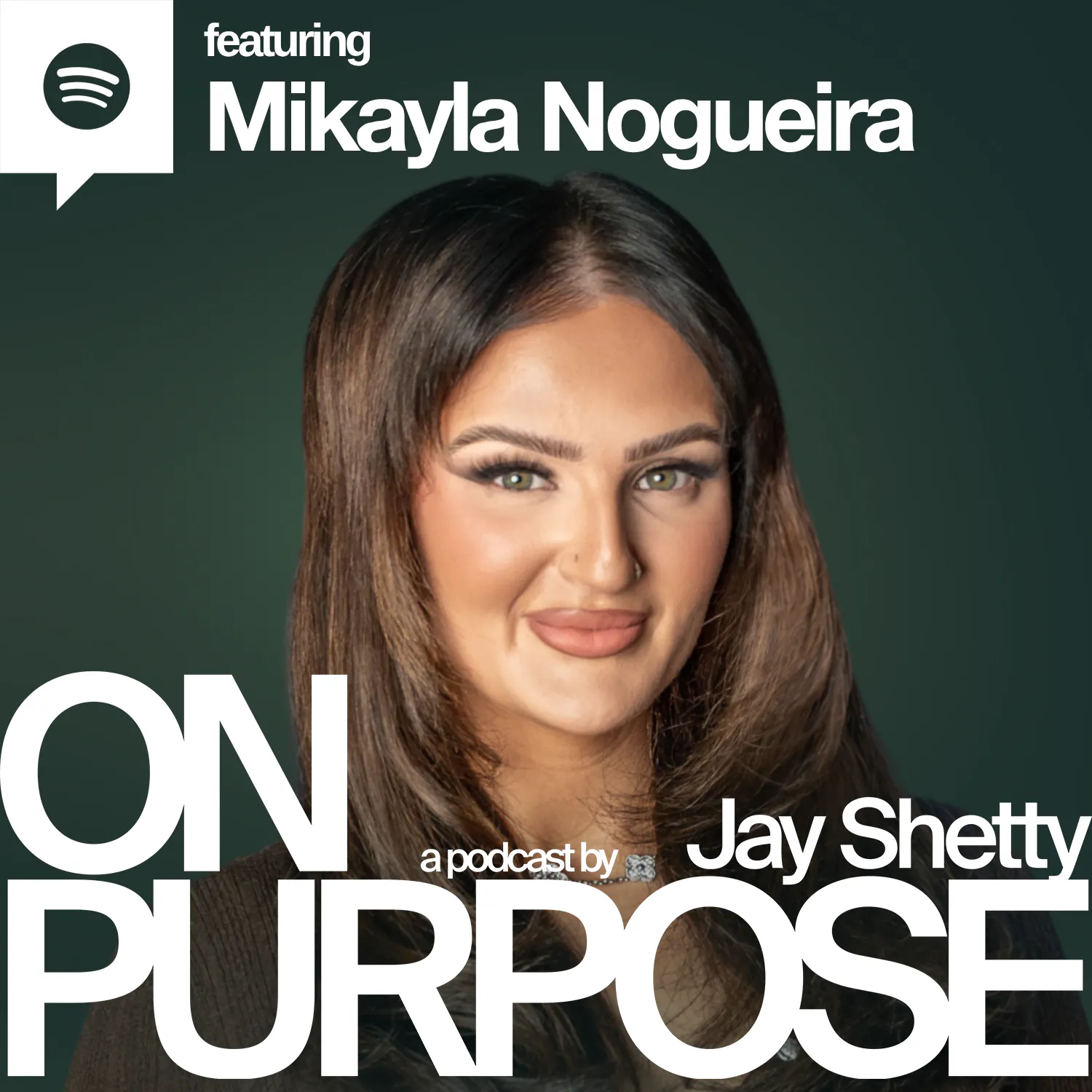
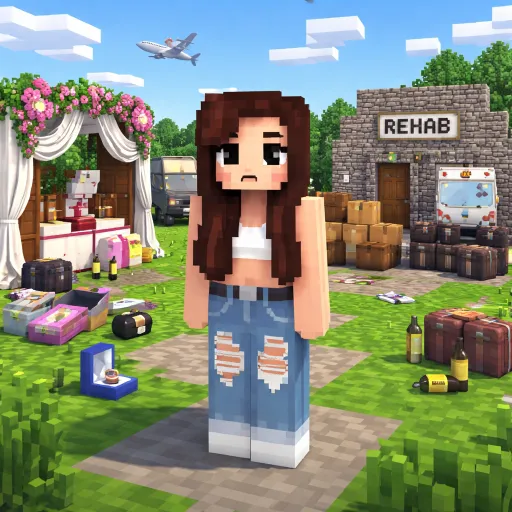
App Permissions is about what you allow different parts of your life to access. Michaela Nogueira had allowed her career to run with effectively unlimited access — pulling her attention, her energy, her time, and her presence, even at the expense of her marriage. The divorce and the reflection that followed was, in part, a recognition that she had never drawn a boundary between those two domains. Career had full permissions; marriage did not.
Michaela describes the painful recognition that her career had been granted unlimited access to her time and presence, at the direct cost of what her marriage needed from her.
"my job is so demanding and so exhausting and and busy and i think he needed a partner who was there more and i wasn't i..."
 App Permissions
App Permissions — Identify which parts of your identity are being consumed by one role and actively restrict that role's access to them.
App Permissions controls what different areas of your life are allowed to access. For 18 months, the caregiving role had full, unlimited access to the anonymous caregiver's energy, identity, emotional reserves, and sense of self. Nothing was protected. The shift required her to revoke some of that access — to close off parts of herself that the role couldn't be allowed to touch — so that something of her remained outside the job.
The anonymous caregiver describes how dementia caregiving dismantled the boundaries and identity she had spent years building.
"i think the hardest part was working so hard in your life to set boundaries and be authentic and be careful of your ener..."
 App Permissions
App Permissions — Audit what parts of your life currently have permission to shape your decisions, and revoke the ones that no longer serve you.
App Permissions is about what you allow different areas of your life to access. Luann de Lesseps used to give marriages, social obligations, and the show access to her choices, her identity, and her schedule. As her kids grew up and her marriages ended, she quietly revoked those permissions — and now controls which parts of her life get access to which parts of her energy.
Luann describes looking around at her career, homes, children, and friendships and realizing that a relationship is now just the bonus — not the foundation — of a life entirely on her own terms.
"i look around and go oh my god i have a career i have my children i have my cap ratios i have you know my homes and and..."
 App Permissions
App Permissions — Before committing to any new work arrangement, decide in advance which parts of your life and energy that role is not allowed to access.
App Permissions is about deciding what different areas of your life get access to. This woman had been giving her corporate job access to her entire creative identity — it had consumed everything. Her six months off was essentially revoking that permission. The new challenge was figuring out how to give a future job access to her time and skills without letting it touch the creative work she'd reclaimed. Going back with new boundaries meant rewriting what work was and wasn't allowed to reach.
The host is guiding the creative director to redraw the boundaries of what any future job is allowed to reach — making clear that going back to work doesn't mean surrendering what she's reclaimed.
"What are your new standards that you're going back to the world of work with, where you won't settle for less, where you..."
App Permissions
App Permissions — Decide what a relationship gets access to and what stays yours — love doesn't require handing over the whole system.
App Permissions are about what you let different areas of your life access — where one domain bleeds into another unchecked. For Lucy Hale, relationships had access to everything: her identity, her self-worth, her sense of safety. There were no limits. The shift was establishing new permissions — letting someone in, but not letting them override her. Her current relationship is the first one where she says her identity stayed intact.
Lucy Hale is naming her relationship pattern directly — gravitating toward emotionally unavailable people, needing to earn love — and reflecting on what changed when she stopped letting relationships have unlimited access to her sense of self.
"there has been a pattern of in the past choosing partners who were struggling or emotionally unavailable or someone i ne..."

 App Permissions
App Permissions — Refuse to give new projects or ideas access to your time and energy until the current core work is running at full capacity.
App Permissions is about what you allow different areas of your life and business to access. Michelle Wahler's key discipline was refusing to give new categories — swimwear, new product lines, adjacent opportunities — permission to take up mental and operational space until the core product had earned the right to expand. Jesse served as the external enforcer of that permission system. Over time, Michelle internalized it herself.
Michelle reflects on what she'd tell her younger self — describing how Jesse's blunt question became the filter that kept her from giving new opportunities access to her focus.
"you know one thing i think is really important is to remember why you started and to stay focused on that i think part o..."

 App Permissions
App Permissions — Decide in advance which parts of your life are protected and refuse to let work override them, even under pressure.
App Permissions is about what you allow different areas of your life to access — and what you don't. Benny Blanco had been operating with work holding a total override on everything else. In this moment, he reasserted limits: work does not get to claim every hour, every weekend, every relationship window. He drew a line around his personal life and refused to let the professional obligation cross it, even at real financial cost.
Benny Blanco is describing the moment he drew a hard line between his professional obligation and his personal relationship — refusing to let work override everything else.
"i remember telling everyone i said guys i gotta go i gotta go see my partner and they said okay you can go but if you go..."

 App Permissions
App Permissions — Set clear limits on how much time and energy any single area of your life — especially work — is allowed to consume.
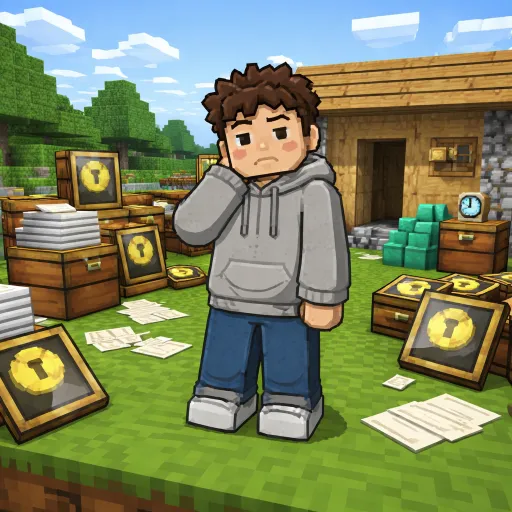
App Permissions is about what you allow different areas of your life to access. Before his breakdown, Benny Blanco had given work access to everything — his nights, his health, his relationships, his mental state. Nothing else had room. Therapy and recovery were the process of revoking those permissions and setting boundaries: work stops at a certain hour, health gets protected time, family gets regular access. He had to restructure which parts of his life got in where.
Benny Blanco is describing how work had total access to every part of his life — and what happened when that consumed him completely.
"i was just so into working all the time and i was surrounded by people who did the same thing staying up for days and da..."
 App Permissions
App Permissions — Limit what sensitive information you share with people who have a history of using it against you.
App Permissions is about what you allow different relationships to access — your vulnerabilities, your emotional interior, your real feelings. Alex Cooper's central advice is to stop giving parents access to the parts of you they've consistently weaponized. If your mom has never responded well to your career anxieties, she doesn't get that data anymore. You narrow her access to what she can handle without causing damage.
Alex Cooper delivers her core advice about narrowing what you allow difficult parents to access — stopping the cycle of sharing vulnerabilities with people who consistently weaponize them.
"stop trying to get validation from the person who's incapable of giving it to you if your mom has never praised your car..."
 App Permissions
App Permissions — Set hard limits on how much one area of your life can consume before it starts pulling resources from everything else.
App Permissions is about what you allow different areas of your life to access — the boundaries between work, health, relationships, and identity. Hope Guzzle had given law school access to everything: her sleep, her health, her social life, her mental bandwidth. There were no walls. Her body and her treatment were running without enough resources because school had taken all permissions. The shift was about revoking some of those permissions — giving health, relationships, and rest back their own protected space.
Hope describes how she heard her oncologist's advice and immediately overrode it — granting law school total access to every corner of her life, with nothing protected for health or rest.
"i took her words of advice paid my obscene amount of money to fordham and decided to ignore everything she told me i dec..."
 App Permissions
App Permissions — Decide which areas of your life are allowed to override your personal values and revoke access where that boundary has been crossed.
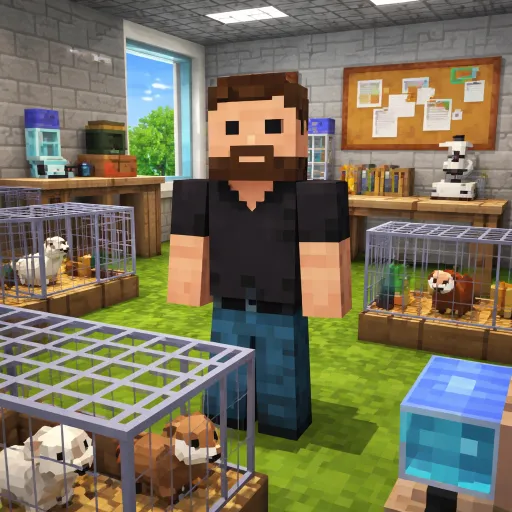
App Permissions control what different areas of your life are allowed to access. For years, Andrew Huberman had granted his scientific career full access to his emotional and moral life — letting the demands of research override his discomfort with animal work. The shift was revoking that permission: deciding that his sense of personal integrity was not something his professional identity got to override.
Andrew Huberman reveals that the personal cost of animal research was slowly eroding him, and that this is the real reason he moved into public education.
"turns out humans is the place i'm comfortable working because they can consent i'm not against animal research but i've..."
 App Permissions
App Permissions — Define in advance what parts of your work are non-negotiable before entering any negotiation that involves giving something up.
App Permissions controls what you allow different areas of your life to access — the boundaries between identity, work, and money. Kim Vaccarella had an offer to let an outside company take majority control of her brand. Saying no was an act of setting a hard permission boundary: money could come in, but control could not go out. The deal she eventually accepted — a 40% stake with her maintaining majority — reflected exactly that boundary being held.
Kim describes the deal she ultimately accepted — 40% stake, majority control maintained — the hard permission boundary she had held against the $100 million offer now fully enforced in the final structure.
"we ended up closing the deal with the group think they bought a 40% stake yeah 40% stake so i maintained control which w..."
App Permissions
App Permissions — Explicitly decide which areas of your life have access to your peak hours and hold those boundaries by naming them out loud.
App Permissions is about deciding what different areas of life are allowed to access. Jay Shetty had been letting work expand without hard boundaries — it was silently taking permission to fill weekends, evenings, and moments that were supposed to belong elsewhere. The shift he describes is a deliberate renegotiation of those permissions: work gets weekday nights sometimes, but weekends stay protected; gym time gets the early morning so breakfast with his wife stays intact. Each of those decisions is a permission setting being manually reconfigured.
Jay Shetty describes the specific permission-setting questions he asks himself to manually reconfigure which areas of life get access to his time and energy.
"Do I need to dedicate one weeknight to work so I can fully unplug on weekends? Do I need to schedule my gym time a bit e..."
 App Permissions
App Permissions — Separate personal values from business constraints so each can operate with its own logic.
App Permissions is about what different areas of life are allowed to access. Sarah Godfrey has let her personal identity as a gluten-free person completely overlap with her business decisions — she can't separate what she needs as a consumer from what the brand needs as a product. The advisors are nudging her to adjust those permissions: let the business make some pragmatic choices that her personal preferences wouldn't make. That separation is the unlock.
 App Permissions
App Permissions — Define in advance how much access each area of your life gets — and hold those limits when pressure builds.
App Permissions is about what you allow different areas of your life to access — the lines between work, family, and identity. For most of her career, Lisa Muchoki gave her work unlimited access to everything: her safety, her marriage, her time with her children, her peace of mind. Her husband's one request — don't love your work more than us, don't put yourself in danger — was the first attempt to set a permission boundary. It didn't fully hold. It wasn't until the ambush, and then eight failed months at home, that Lisa redesigned her permissions from scratch: 40% field access, 60% family access. That division is App Permissions being set deliberately for the first time.
Lisa describes the moment she chose to go to Garissa despite the al-Shabaab threat — letting her mission fully override her family's safety concerns, giving her work total access to her life.
"so i go to garissa the locals didn't want to go there everything was in the amber but who is like me adventures the thri..."
 App Permissions
App Permissions — Decide in advance what each commitment gets access to so one doesn't silently consume the other.
App Permissions is about what you allow different areas of your life to access — the boundaries between work, family, and identity. Brian Turiabaje let his startup work fully intrude on his family's most significant event of the decade, flying to another country in secret without giving his family any real access to what was happening. The boundary between 'entrepreneur on a funding trip' and 'groomsman at his sister's wedding' collapsed entirely because he gave both areas unlimited access to the same week.
Brian describes the moment he gave his startup unlimited access to his family's wedding week — flying secretly to Johannesburg while texting as if he were home helping with preparations.
"so i secretly boarded that flight to south africa while i was pretending to be actively involved in the wedding preparat..."
 App Permissions
App Permissions — Audit how much of your attention one area of life has claimed and deliberately reduce its access to protect the rest.
App Permissions is about what you allow different areas of your life to access. Roy Seiders had effectively granted Yeti permission to access everything — his sleep, his presence at home, his outdoor time, his mental bandwidth. By stepping back from the CEO role, he revoked some of those permissions and began redistributing access to his family and to his own life outside work. The business got a new leader; Roy got his evenings back.
Roy Seiders explains why he stepped down from running Yeti day-to-day, naming plainly that being physically present at home was not the same as actually being there for his family.
"The outdoors is what brought us to Yeti in the first place. But in many ways it took us away from the outdoors as well b..."
 App Permissions
App Permissions — List what a relationship actually needs to provide before you give it long-term access to your time and emotional energy.
App Permissions is about what you allow different areas of your life to access — the boundaries between relationships, identity, and what actually belongs to each. Paris Jackson had let a relationship access far more than it had earned, partly because one dimension of it (loyalty) was functioning well. The shift was her realizing that she got to decide what a relationship needed to offer before she granted it full access to her life and future.
Paris Jackson explains the realization that ended her engagement — that 'he's a good person who won't cheat' was never a sufficient reason to stay, and that her unmet needs were allowed to be dealbreakers.
"My answers weren't good enough just because I've realized just because someone is a good person doesn't mean they're my..."