How much of yourself you reveal to the people already in your life. Controls what you share, how deep you go, and what stays yours.
Visualizing_
selector Privacy
Privacy — Identify one thing you've kept completely private and ask yourself whether the silence is still serving you or just protecting the secret.
Privacy is about how much of yourself you reveal — and what you keep locked away. Masuma Ranalvi kept her experience sealed for forty years, telling no one, not even her daughter. The entire story is about a Privacy setting that was maxed out in one direction, until a single question from her daughter began moving it the other way. When she finally published her blog, she moved the setting from fully locked to fully open — and that opening became the basis of a public movement.
Masuma describes the full weight of forty years of silence — what she kept locked away, who she shielded, and what she never said — just before her daughter's question cracked it open.
"i have never told anybody about that till forty years have passed it's 2015 now i have a 20 year old daughter i have not..."
 Privacy
Privacy — Withhold personal information from institutions that have already shown they cannot be trusted to protect it.
Privacy controls how much of yourself you reveal and to whom. Jill disclosed everything — her identity, her experience, the details of the harassment — to campus police, expecting that information to be held in confidence. Instead, her privacy was directly violated by the officer who reported her name to Greek life leadership. As a result, she closed down completely, deciding that sharing again would only put her at greater risk.
Dr. Kate Manne is recounting the story of Jill, a Cornell student who reported image-based sexual harassment to campus police — only to have the officer disclose her identity to the very fraternity targeting her.
"she went to the police the campus police cupd and she complained about this they sent a male officer and this is all her..."

 Privacy
Privacy — Match what you share with a person to what they've consistently shown they can hold, not what you wish they could hold.
Privacy controls how much of yourself you reveal to the people already in your life — what you share, how deep you go, and what stays yours. The person in this story has unconsciously turned Privacy all the way up around one specific person: the good news, the excitement, the vulnerable hope — none of it goes there anymore. Jay Shetty's reframe doesn't tell them to lower it with this person. It tells them that calibrating Privacy differently across different relationships isn't secrecy — it's wisdom about who has earned access to what.
Jay Shetty describes the quiet internal calculation someone runs before sharing good news — the moment Privacy gets turned all the way up around one specific person.
"before sharing it you pause you realize this friend is not the person to go with the good news you know they may minimiz..."
 Privacy
Privacy — Lower the wall on one hard truth you've been keeping private to stop it from growing in the dark.
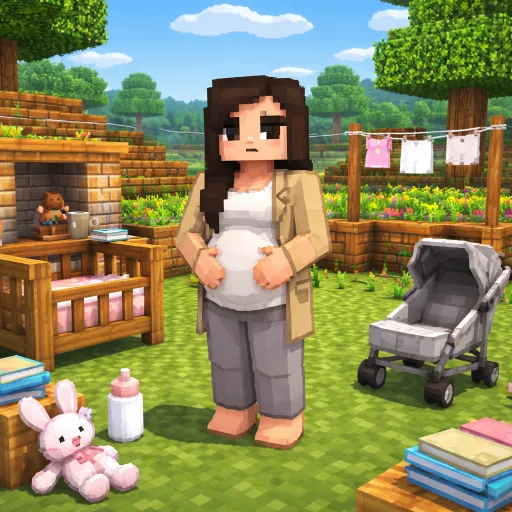
Privacy controls how much of yourself you reveal and what stays hidden. Alex Cooper describes a world where most women keep their fears about motherhood completely private — not because those fears aren't real, but because speaking them out loud invites backlash. Alex deliberately lowers her privacy setting here, sharing her own grief and doubts publicly and explicitly giving other women permission to do the same. She's choosing exposure over self-protection.
Alex Cooper reveals the pattern she keeps encountering — women privately sharing their fears about pregnancy but explicitly saying they'd never say it out loud — naming the gap between what women feel and what they feel safe to disclose.
"a lot of my friends or people i've met or even guests i've interviewed off camera will say like i'm telling you this but..."
 Privacy
Privacy — Hold back personal information until someone has shown over time that they won't use it against you.
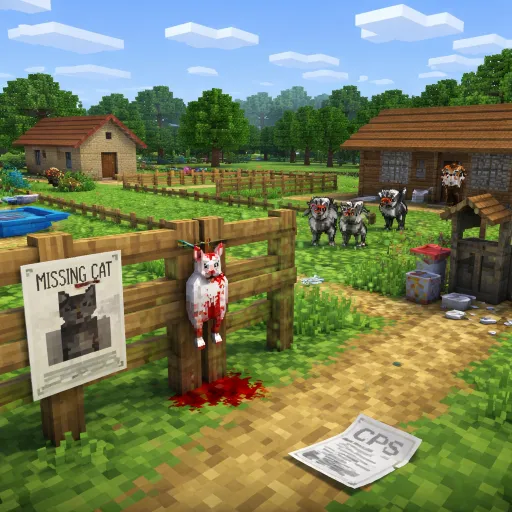
Privacy controls how much of yourself you reveal to the people already in your life. Jessica Wheeler had turned this setting all the way up with Karen — she trusted her with some of the most personal things she'd been wrestling with, including her struggles as a new mom and her reasons for leaving the church. Karen used that information to call CPS on her. After that, Jessica pulled the setting back hard. She now describes being very cautious about who she tells things to, checking whether someone is safe before sharing anything real. Her circle is small and deliberately chosen.
Jessica Wheeler discovers that Karen used the most private things she had shared in friendship as weapons — the moment that permanently changed how much of herself she reveals to anyone.
"after doing some digging and talking to a relative who works for cps he told me that karen had weaponized something that..."

 Privacy
Privacy — Expose the thing you've been hiding before it gets exposed for you — on your own terms.
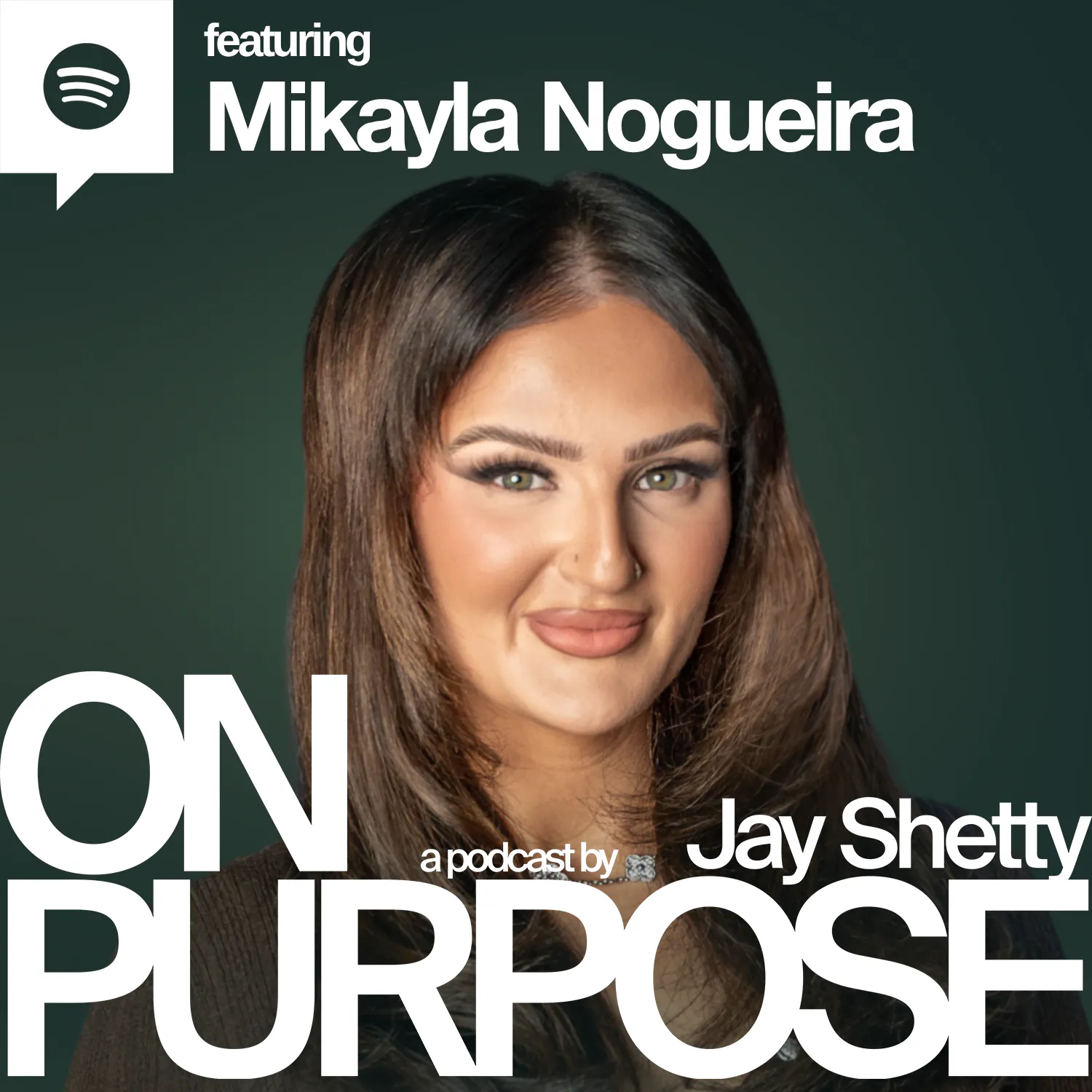
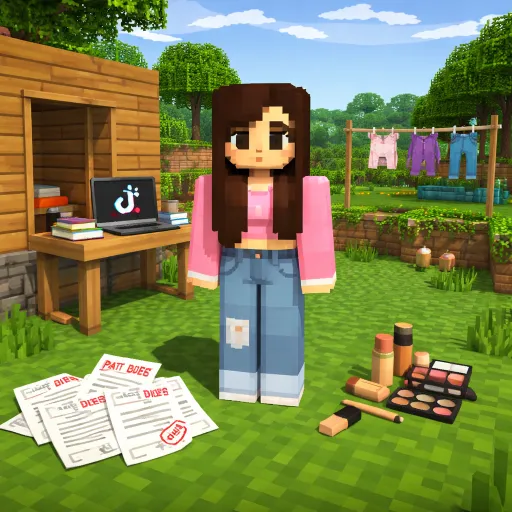
Privacy controls how much of yourself you let out. Michaela Nogueira had kept her acne completely hidden — from the internet, from people she knew in real life, from everyone. Posting the transition video was a deliberate choice to lower that setting all the way down and show something she had never shared with anyone. The shift wasn't accidental — she framed it explicitly as exposure therapy, a conscious decision to reveal what she had been protecting.
Michaela reveals that her first TikTok was the first time she had ever shown her acne to anyone — including people she knew in real life — marking the moment she lowered her privacy setting all the way down.
"i wrote a blog article about how that was the first time i showed the world my acne because i had never shown anyone my..."
 Privacy
Privacy — Let the person across from you see something real instead of something rehearsed.
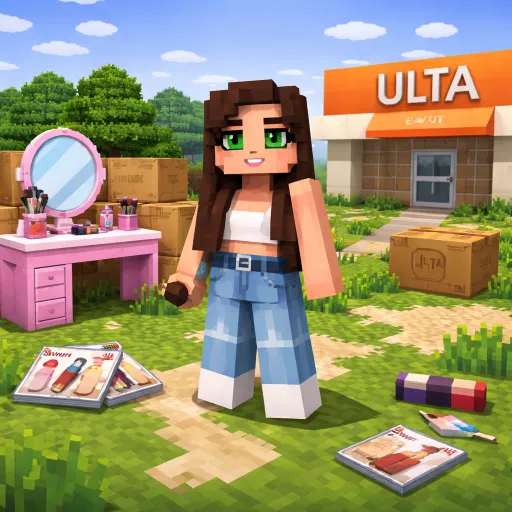
Privacy controls how much of yourself you reveal. For most of the interview, Michaela Nogueira stayed behind conventional answers. Then she opened up — sharing something personal about what beauty meant to her emotionally, not professionally. Lowering that privacy setting in that specific moment was what made the interaction different from every other candidate.
Michaela is recounting the moment in her Ulta interview when she stopped performing the standard candidate pitch and told the manager something raw and personal about what beauty meant to her.
"i went into this interview and i basically just was really honest with the manager i said i need this job i was not in t..."
 Privacy
Privacy — Share something real with someone close to you instead of keeping every interaction at a comfortable surface level.
Privacy controls how much of yourself you actually reveal to the people in your life. Jay Shetty pointed out that it's possible to be surrounded by people and still feel like nobody knows you — because most interactions stay surface-level. The distinction he drew between being socially connected and emotionally connected is exactly about where the Privacy dial is set. Real connection requires letting people in, not just letting them near.
Jay Shetty draws the line between surface-level social connection and the kind of real connection that requires actually revealing yourself to the people in your life.
"What seems to matter isn't how many people know your name — it's whether there are people with whom you can be completel..."
 Privacy
Privacy — Find a way to say the real thing instead of letting the unexpressed version show up as anger or distance.
Privacy controls how much of yourself you reveal to the people already in your life. For decades, Courtney kept her real feelings about Mr. X — and her worry for her mother — locked away, partly because Linda wouldn't tolerate criticism of her partner. Courtney turned the unexpressed worry into coldness and resentment instead. This conversation was the first time either woman actually opened the door on what she'd been carrying, and it only happened because the circumstances finally forced it.
Courtney acknowledges for the first time that what she had locked away for decades — her real worry for her mother — had leaked out as coldness and resentment instead of being said plainly.
"i wish i'd made things simpler for my mom back then i wish i could have said more clearly i'm worried about you but ange..."

 Privacy
Privacy — Share the personal origin of what you're building — the why behind it — so people connect to the person, not just the product.
Privacy controls how much of yourself you reveal. Angel Raymer's product is deeply personal — she tied each stone to a moment in her own life, including the tiger's eye she chose when she needed courage to start the business. But her website revealed almost none of that. The about page was empty. The personal origin story that made the product meaningful in conversation was completely hidden online. Turning down that privacy setting — sharing the real story behind why she made this — is exactly what would make the website convert.
Michelle Wheeler pulls up Angel's website live and discovers the about page is blank — pointing out that the personal story Angel tells so naturally in person is completely absent online.
"i just tried to click on the about and it didn't even give me anything so i think that would be like the first thing i w..."

 Privacy
Privacy — Find a way to express what you're holding back that feels safe enough to say out loud — even if indirectly.
Privacy controls how much of yourself you reveal to people. Ed Sheeran had his privacy dialed all the way up on the breakup — he explicitly said he didn't want to write about it because it would give the other person satisfaction, a sign he was trying to keep his real feelings completely sealed. Benny Blanco found a creative workaround: write a song about not wanting to write the song. That reframe gave Ed permission to lower his privacy setting just enough to let the truth out.
Benny Blanco is recounting the exact moment Ed Sheeran stopped hiding what he actually felt and let the truth out — the line that became the spine of Love Yourself.
"he was like i don't wanna write a song about that person because then i'm like giving them the satisfaction that i know..."

 Privacy
Privacy — Let at least one trusted person see what's actually happening with you, even when the outside picture looks fine.
Privacy controls how much of yourself you reveal to the people already in your life. Benny Blanco was hiding everything — smiling through songs charting while lying in bed at his mom's house unable to move. He'd turned privacy all the way up on his struggles, which meant no one could help him. Part of his recovery was letting some of that go — telling his mom, starting therapy, eventually being open enough to talk about it publicly years later.
Benny Blanco is revealing how completely he had hidden his mental breakdown from everyone around him — and the vow he made once he came out the other side.
"to the outside world it looked like i had everything but to the inside world was like crumbling i think that happens a l..."
 Privacy
Privacy — Choose one person or space to tell the truth about what you're going through before you have it figured out.
Privacy is about how much of yourself you reveal to the people in your life. Alanis Morissette's Gen X instinct was to keep the suffering private — to carry the invisible load invisibly. The shift was choosing to speak publicly while still inside the experience, not after. She moved Privacy from nearly closed to wide open, and found that the openness itself was part of what helped — both her and the people who reached out saying they were going through the same thing.
Alanis is describing the extreme privacy of her suffering during her third postpartum experience — touring through COVID, keeping the crisis invisible to the outside world while dipping into psychosis behind the scenes.
"which i did it again and then we toured during covid i was just like wow oh alanis you toured postpartum depression thir..."
Privacy
Privacy — Identify one thing you've been keeping private out of fear and decide if hiding it still serves you.
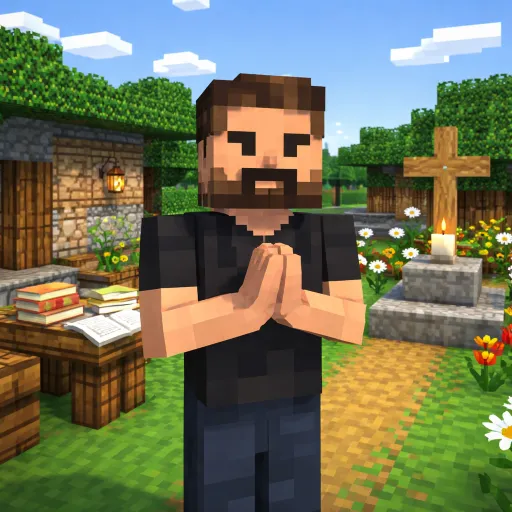
Privacy was running at maximum for Andrew Huberman for two full years — he kept his prayer practice entirely hidden, sharing it with no one publicly despite doing it every single night. The shift came when Andrew dropped that barrier and revealed something deeply personal on a public podcast. He moved from total concealment to full disclosure on a core part of who he had become.
Andrew Huberman describes the moment he decided to go fully public about his nightly prayer practice, revealing something he had kept entirely hidden from his scientific identity.
"i pray every night before i go to sleep why well that's something that i really believe in and has become a core practic..."
 Privacy
Privacy — Identify one person in your life who already gets the real version of you and protect time with them deliberately.
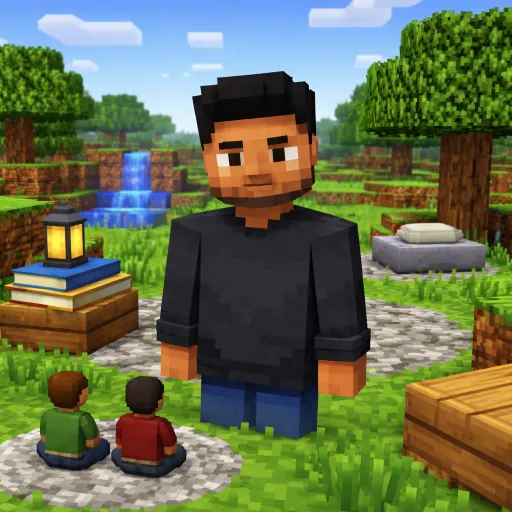
Privacy controls how much of yourself you reveal to people already in your life. Jay Shetty had drifted into a mode where certain friendships only received the curated version — the thoughtful, grounded, on-brand version of himself. The shift was recognizing that the friendships worth protecting were precisely the ones where privacy could come down: where he could speak before organizing his thoughts, change his mind, admit he handled something badly. He began actively choosing which friendships got access to the unfiltered version.
Jay Shetty describes the specific friendships where he can lower his public-facing persona entirely and reveal the unfiltered version of himself.
"There are days when I feel clear and grounded, but there are also days when I'm uncertain, tired, conflicted, or overwhe..."
 Privacy
Privacy — Examine what you're afraid to reveal, and ask whether the fear comes from the content or just the lack of control.
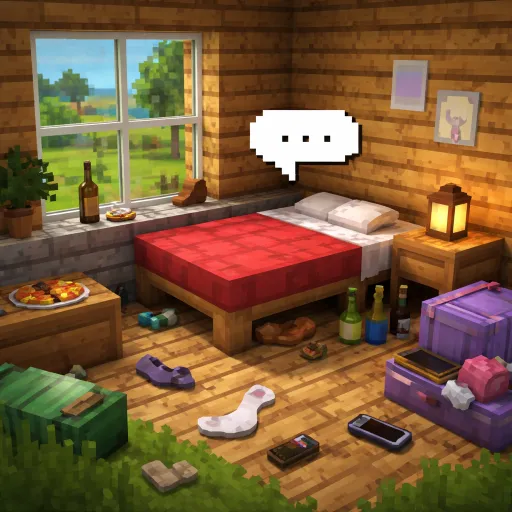
Privacy controls what you reveal and what stays yours. Gael's entire anxiety is built around the fact that sleep strips her Privacy setting down to zero — anything she's holding gets broadcast without her say. The shift happens when she stops treating that loss of control as a danger and starts treating her inner world as something safe to expose. She moves from 'what if something private gets out' to 'I'm okay with what's in there.'
Gael describes the recent escalation of her sleep behaviors — now sleep talking and even making out with people without any memory of it — revealing just how much her inner world leaks out without her consent.
"and recently it's been nonstop that i've been like sleep talking i haven't done crazy actions yet but i keep sleeps off..."

 Privacy
Privacy — When you've been carrying something alone for too long, consider whether keeping it private is protecting you or just prolonging the pain.
Privacy controls how much of yourself you let out — what you share versus what stays locked inside. For years, Erin Andrews kept her IVF struggle almost entirely private, partly out of deference to Jarrett Stoll's discomfort with it being public. The shift came when she decided to open the door despite his hesitation. She went from keeping it tightly sealed to speaking about it openly on air — and that change in her Privacy setting is exactly what broke the isolation she had been feeling.
Erin Andrews describes the moment she decided to go public with her IVF struggle despite her husband's reluctance — turning the lock on years of private pain and discovering a community of people who had been waiting to say 'me too.'
"i remember finally when i was fed up after trial number eight or whatever and i said to my husband i'm going to somebody..."
 Privacy
Privacy — Decide in advance when and how much of a painful truth you share, so the disclosure happens on your terms rather than by accident.
Privacy is about controlling what you share, how much you reveal, and what stays yours — and Eileen Gu made a deliberate choice about the order and timing of her disclosure. She held the grief privately through the bulk of the press conference, then chose a specific moment at the end to acknowledge her grandmother. This wasn't a leak — it was a release she decided to allow. She controlled the reveal rather than having it taken from her.
Eileen Gu describes how she controlled the timing and terms of disclosing her grandmother's death — holding it privately through the press conference and then choosing to release it publicly at the end on her own terms.
"that was all so compartmentalized and then at the very end i wanted to like honor her and say hey by the way one of the..."

 Privacy
Privacy — Find a private channel — music, writing, movement — for what you cannot yet say out loud to another person.
Privacy controls what you reveal to the people already in your life and what stays yours. Betty kept the pain of years of abuse completely private — not just from strangers, but from everyone around her. Her granddaughter Sarah Smarsh said she almost never saw her crack, and that showing vulnerability was 'totally taboo.' The one crack in that privacy happened not through conversation, but through music. Dolly's 'Coat of Many Colors' was the only space where Betty's guard came down, even partially.
Sarah Smarsh describes how her grandma Betty — who never showed pain to anyone — had exactly one crack in her armor, and it came through Dolly Parton's music.
"as far as you know ever letting on like just by an inch that she had been hurt or had any sense of victimhood is like no..."

 Privacy
Privacy — Decide in advance exactly when and how you will share something important, so no one else gets to make that call first.
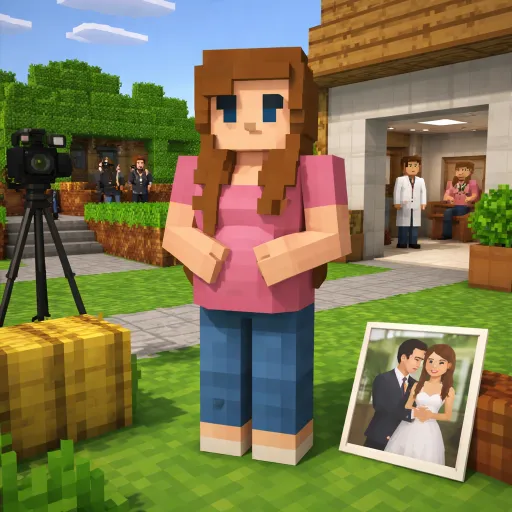
Privacy captures exactly what Taylor Lautner-Dome was fighting to protect. After their wedding's first-look photo was published without consent, she entered the pregnancy already on guard about what intimate information could slip out. During the first trimester she kept the news tightly controlled — telling only two close couple friends — because she needed to decide when and how to let the world in, not have that decision made for her.
Taylor Lautner-Dome explains the specific privacy violation from her wedding that made her hypervigilant throughout her pregnancy — the unauthorized photo of their first look that was published without their consent.
"i think i was a little scarred from our wedding because our like first look someone was like photographed us having our..."