CBT
Cognitive Behavioral Therapy — identifying and changing unhelpful thought patterns and behaviors.
15 settings

Activity Scheduling
Deliberately planning positive or meaningful activities instead of waiting for motivation.




 …
…

Assertiveness Training
Learning to express needs and boundaries clearly without aggression or passivity.




 …
…

Behavioral Activation
Breaking cycles of inaction by scheduling positive activities — even when motivation is low.



 …
…

Cognitive Restructuring
Identifying distorted thought patterns and replacing them with more balanced, realistic ones.




 …
…

Decatastrophizing
Challenging worst-case thinking by examining what would actually happen and how you would cope.




 …
…

Exposure
Gradually facing feared situations to reduce avoidance and build tolerance.




 …
…

Graded Task Assignment
Breaking a large goal into small, manageable pieces to build momentum and confidence.


 …
…

Problem Solving
Breaking down overwhelming situations into concrete, actionable steps.



 …
…

Reattribution
Shifting blame or responsibility to a more accurate, balanced distribution instead of taking all or none.


 …
…

Relaxation Training
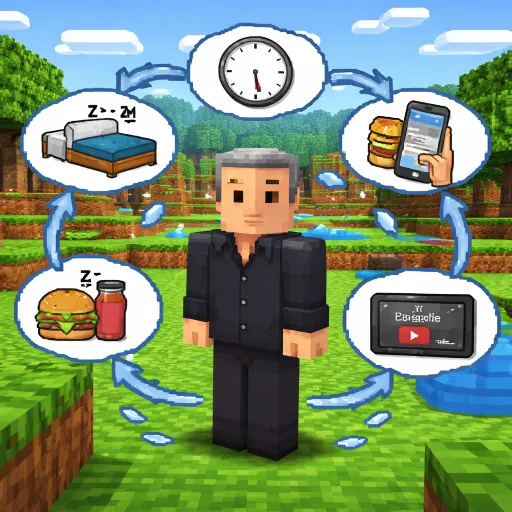
Using breathing, muscle relaxation, or grounding to manage physical anxiety responses.



 …
…

Role Playing
Practicing difficult conversations or situations before they happen to build confidence and skill.


Self-Monitoring
Tracking your thoughts, emotions, and behaviors to identify patterns you can't see in the moment.


 …
…

Socratic Questioning
Examining the evidence for and against a belief before accepting it as true.


 …
…
Stimulus Control
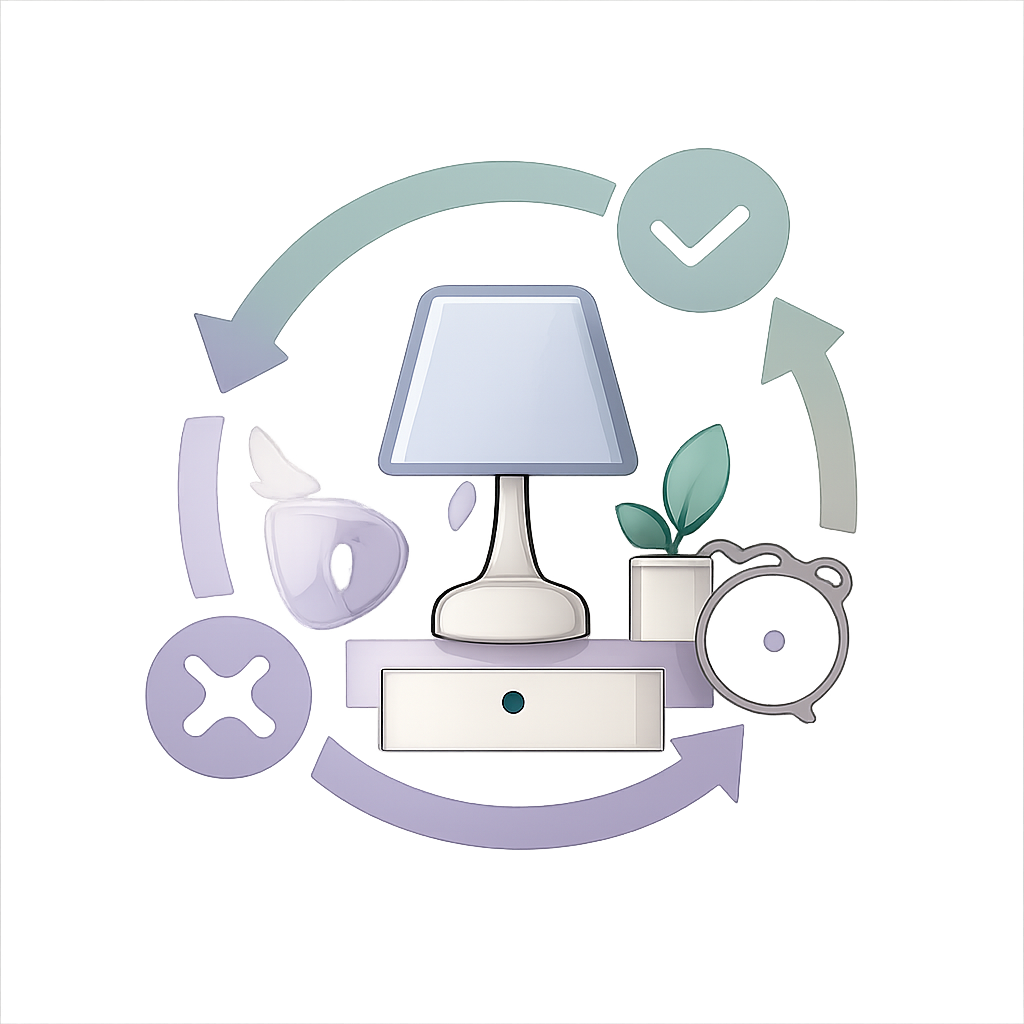
Changing your environment to support the behavior you want and reduce triggers for the behavior you don't.




 …
…

Thought Records
Writing down automatic thoughts to see patterns and challenge them with evidence.